I’ve always liked to write about journalism—the good and the bad. Consider this an ongoing place for me to vent about our craft.
New Six Gun for the Video Cowboy?
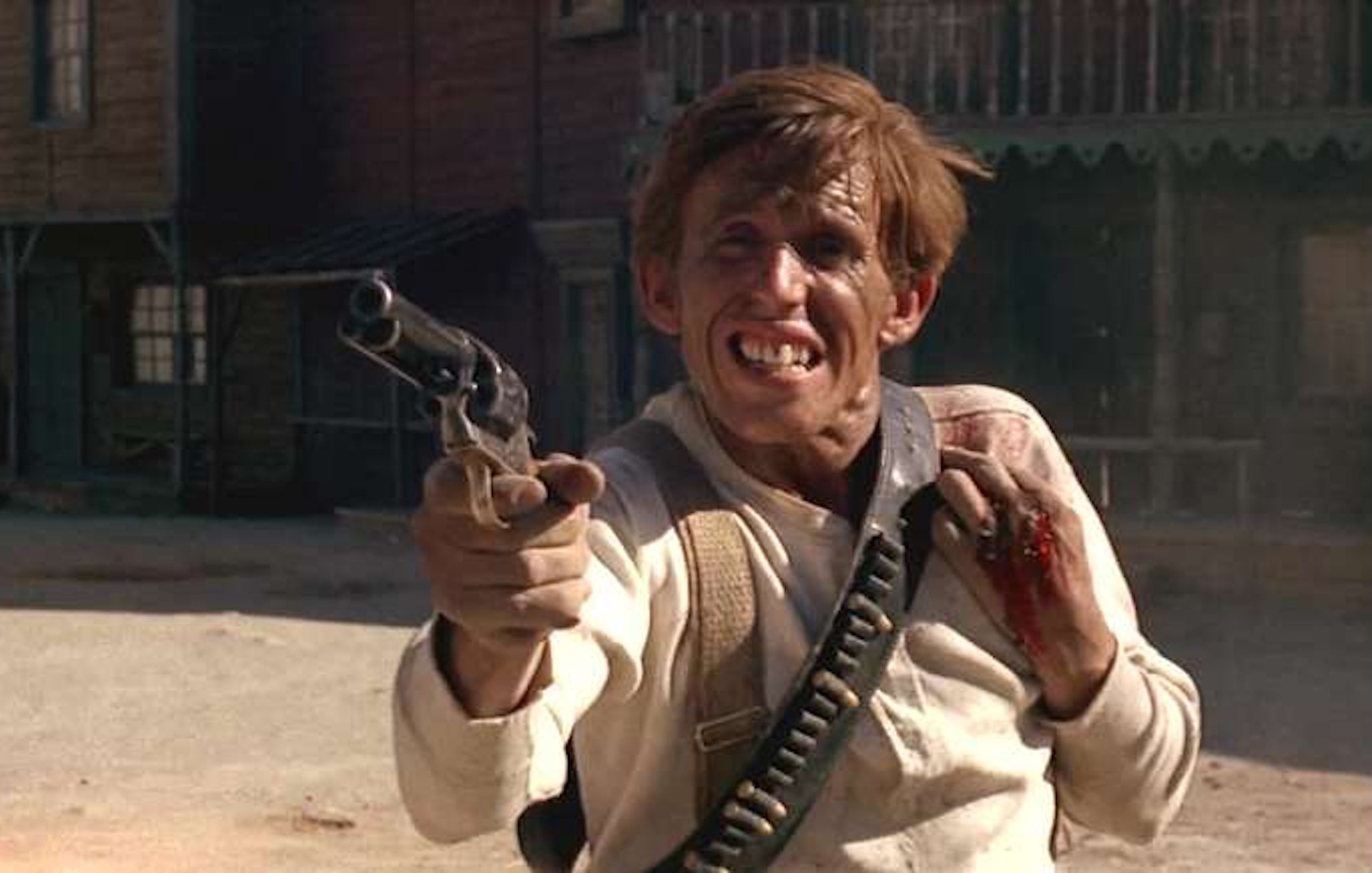
If you’re not watching the news/sports parody web series from ESPN called “Mayne Street,” then you need to start now. The show follows real-life ESPN anchor Kenny Mayne as he encounters a number of fictional characters and situations that lampoon our business head on. One of my favorite sidekicks is the photographer know only as “Video Cowboy” (or “Mr. Cowboy” to those who don’t know him well). Since my first job was as a photographer, I relate to the Cowboy’s consternation with the situations in which he finds himself. He’s an artist with the camera and is often held back in that artistic expression by the bumblers with whom he must work…

Half a Century of Progress?
I have a birthday tomorrow—a BIG birthday. I’m turning 50, an age that gives one a reason to pause and think about a lot. All things considered, I’m better off than I thought I would be at 50. I remember when my father was that age and I feel so much, well, younger. I think it comes from the way our times have changed. It also doesn’t hurt that nearly all my co-workers are between 18 and 22. That will definitely keep you feeling young…

The First One Hundred Days
It’s been my experience that a lot of good ideas start out as jokes. That was the case with this blog—at least that it started out as a joke. You can decide if it was a good idea or not. Right after I moved into the spot of RTNDA chairman, I started talking about how much we had to get done in a short amount of time. And I joked that we needed to do that “first 100 day thing” like we in the media do to measure a new president. Well, the joke kind of stuck as a real idea, and that arbitrary measurement period is just about up. This Friday marks my 100th day as chairman of RTNDA, and though I promised myself these blogs would be more about the state of journalism than the state of RTNDA, I guess I can use one to let all of you know where things stand right now…

Shining the Light on Government Secrets
My wife sent me out over the weekend to run the Weed Eater around the edges of the yard, as well as on a huge mulch pile we have out back that seems to have begun to sprout its own primordial forest. I’m not much of a fan of yard work, but I’d already gotten out of this job once. I figured I might as well just get it done. I strapped on my iPhone and tuned in to a podcast of my favorite radio program, “This American Life.” Once Ira’s squeaky tones were drowning out the whine of the Weed Eater, I figured I could kill an hour or so on the jungle in front of me. I decided to listen to a broadcast from June 22 that I had not heard on the radio live…
Hitting Back
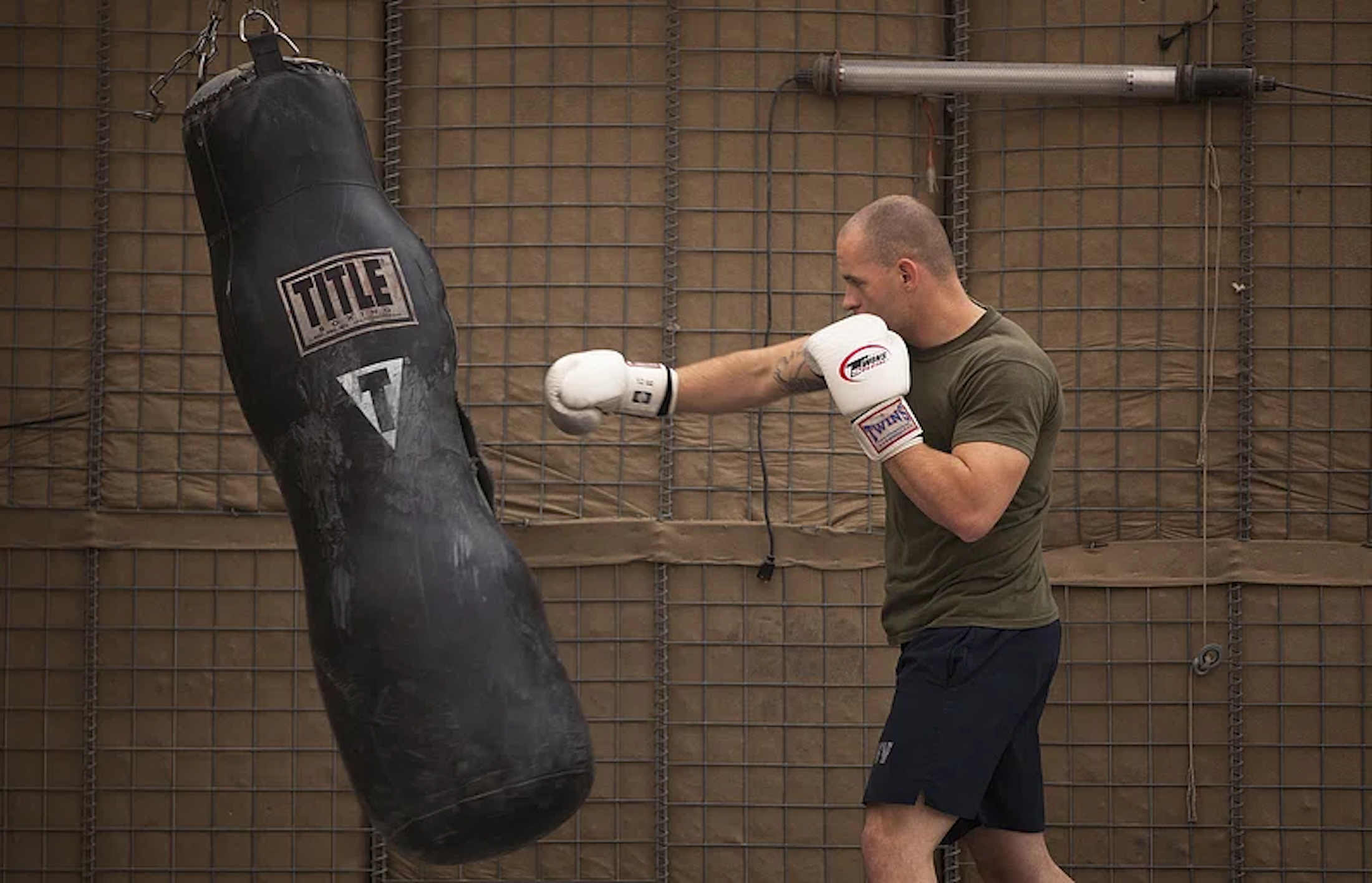
Those who know me also know I have an answer to just about anything you ask me. I’ve often joked that I’ll never say “I don’t know” to something, I’d rather give a theory—or even a guess—than leave you empty-handed after your interrogative. But I ran across one this week over which I think I may have to wave the white flag. Most of you probably saw the video three months ago. A reporter and photographer covering a ho-hum highway accident in El Paso get a little bit manhandled by a police sergeant unhappy with their arrival at the scene…
Stonewalling Jackson
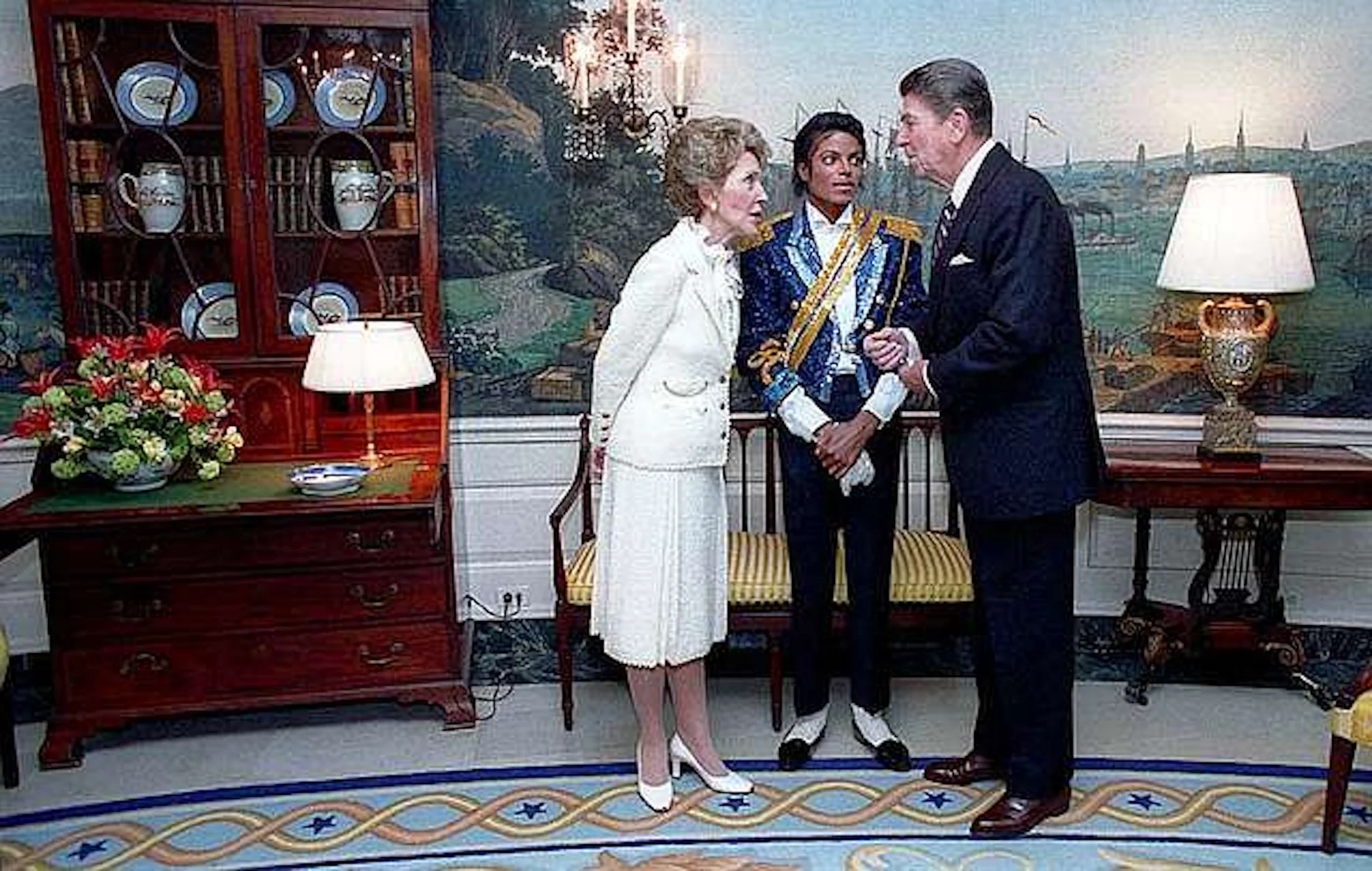
The title of this blog may lead you to believe I’m about to let loose on all the media hype surrounding the Michael Jackson death coverage. Well, I am, sort of, and I’m not. I’m really quite ambivalent about it all. This coverage connects the old ways we used to do everything with the new ways coming down the road. It’s at the nexus of broadcasting and narrowcasting, new media and old media, youthful and aging audiences, and a whole lot else. Forget Iran, forget swine flu, this issue may be the most complex we have to deal with as news managers. If that sounds like a joke, read on. There’s nothing funny about what’s at stake here…
The Great Fight North
Out the window I could see the suburbs of Detroit slip by, followed by a brief crossing of Lake Saint Clair. Then, as it moved in under us, I could see the orderly fields and neat highways stretching out ahead. Ontario. Canada. The flight eased into Pearson Airport and I was on the ground in Toronto. The trip had been so short—less than an hour from Chicago. And everything seemed so much the same as back home. I would soon learn that was not the case…
The Physics of News
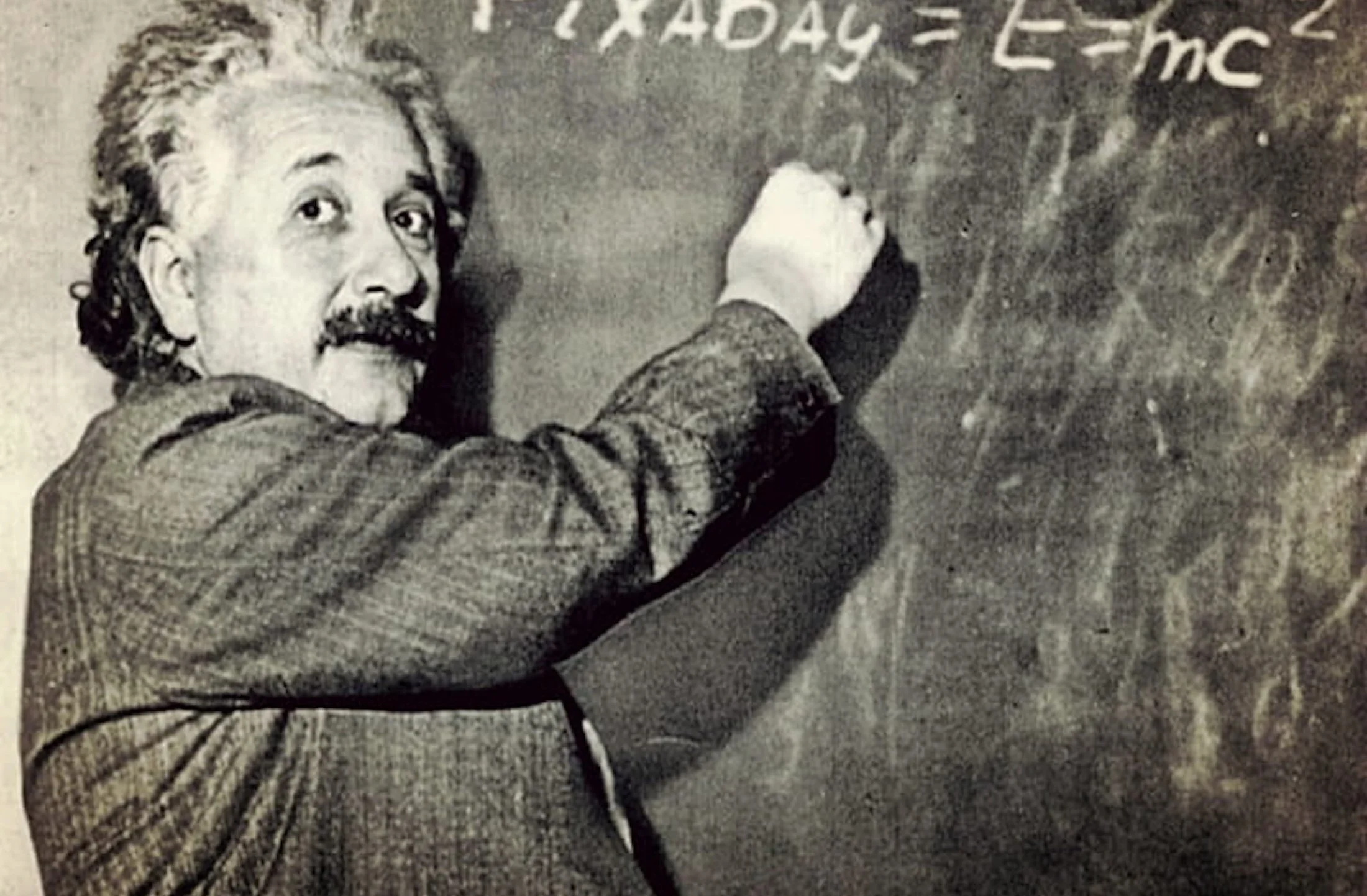
I was lucky enough to be a small boy in the 1960s, a time when science was at the forefront of the American experience. Men were rocketing into space to prepare for a trip to the moon, doctors were developing artificial hearts to implant in people, and physicists where making advances inside the atom to learn more about what makes our world tick…
Who Draws the Line?
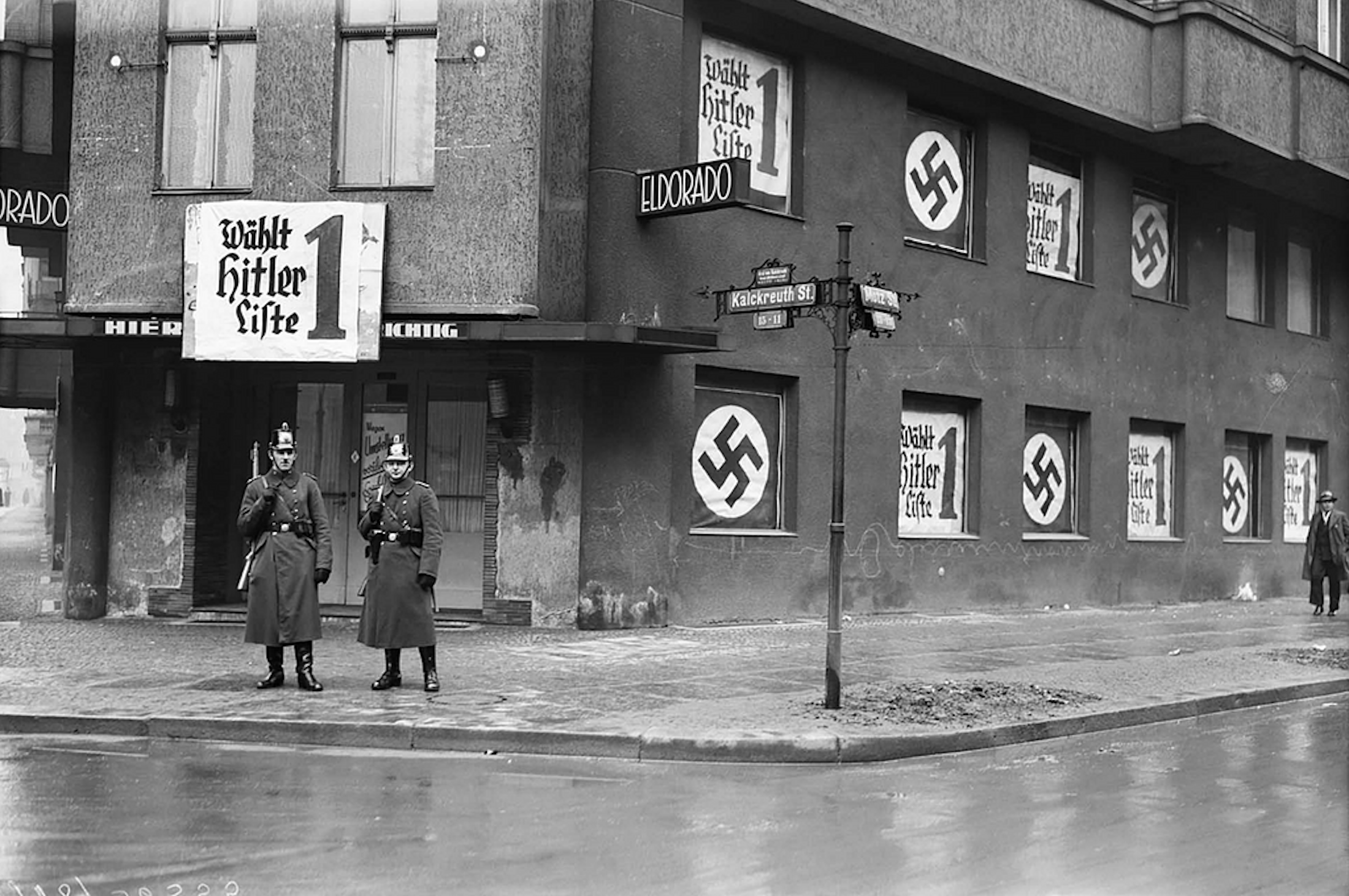
The tragic shooting at the Holocaust Museum last week brought back to mind one of the only journalistic questions I’ve never been able to answer satisfactorily for myself. This one has been a struggle for me since I was a young photographer back at WESH-TV in Orlando. It was in the early 1980s and that part of Florida had seen a resurgence of Ku Klux Klan activity. Our news director had assigned me—a white man—along with the regular nightside Orlando reporter—a black man—to cover a major cross burning one evening. The controversy in the newsroom centered on whether we should send a black reporter to the scene…

Discourteously Tilting at Courtesy Titles
I’ve been going to the same doctor ever since I moved to Columbia in 1986. That’s 23 years of seeing the same guy for the occasional check-up or minor health problem. I’m sure I’m not even averaging once a year, so let’s estimate I go about every 18 months or so. That’s roughly 17 or 18 visits to see this doctor in my lifetime. We were relatively young men when this relationship started. Now I’m 49 and he’s got about five years on me, I’m guessing. It’s a relationship I’ve had longer than with most of my friends and professional colleague. I see him more often than I do any of my cousins. Yet I still call him “Doctor” when I see him. Shouldn’t I just be calling him Jeff by now?…

Who Can Say His Favorite Class Was Economics?
Actually, I can. I was a sophomore in college when I took Econ 51 with Walter Johnson (no, not the hall of fame pitcher). Johnson was already known as one of Mizzou’s best professors when I sat down in his class. But that’s not why I took the course. I took it because I had to. My school made me take it. The idea was to be sure, as budding journalists, that we had a broad education in a lot of different areas we might cover. So we took history, science, a foreign language, economics, and more. In fact, we couldn’t even have a minor back then—no more than two course in any one subject allowed…

Is It Wrong to Wish for a Busy News Summer?
A reporter at one of the other stations in my market lost her job last week. Her company decided not to renew her contract, presumably to leave her position vacant. This sounds like a blog about layoffs, but it’s not. Listen to what she told the newspaper reporter who talked to her about her apparent layoff: “I’ve worked with so many great public officials, from the police department to the fire department, the county fire department.” Did she really say that? Great public officials?…

How to Win Friends and Influence…Perceptions
A reporter at one of the other stations in my market lost her job last week. Her company decided not to renew her contract, presumably to leave her position vacant. This sounds like a blog about layoffs, but it’s not. Listen to what she told the newspaper reporter who talked to her about her apparent layoff: “I’ve worked with so many great public officials, from the police department to the fire department, the county fire department.” Did she really say that? Great public officials?…
The New Class Clowns
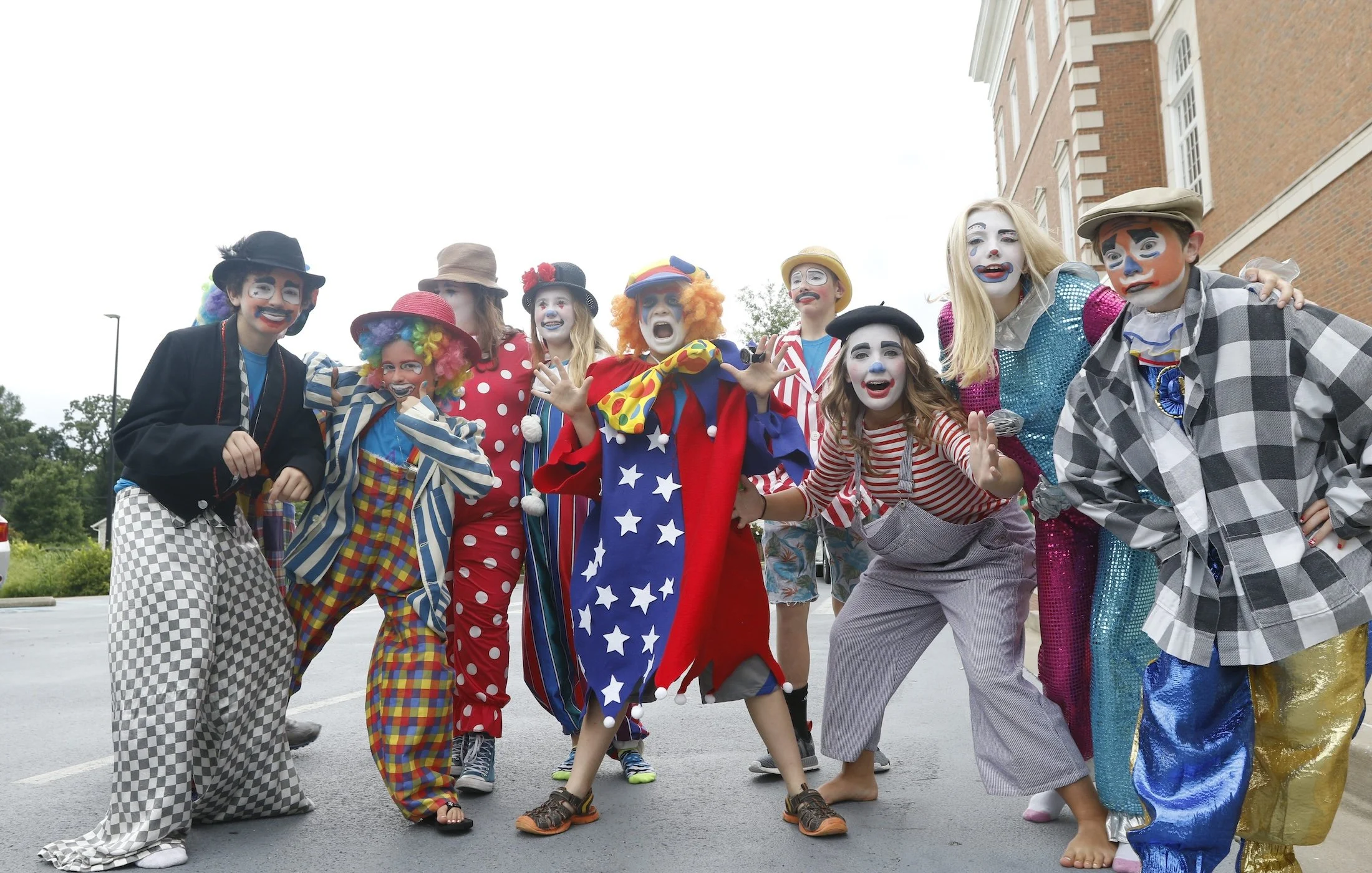
It was 1976, Gerald Ford was president, and I was a junior in high school. The big story that spring was an outbreak of swine flu. My friend, Ken Kosciulek, was the class clown. He did not miss this opportunity. Every time someone mentioned the words “swine flu,” he would start oinking and squealing, push his nose up pig-style, and quickly end up on all fours wallowing around on the linoleum. I busted a gut every time (hey, I was only 16), and that reaction kept him doing it over and over again…

Learn from Coverage of Tight Times
With the new year upon us, many newsrooms begin with smaller budgets—and in some cases—smaller workforces. Many present day news managers entered this industry in the speedy growth times of the early 1980s, so it’s still difficult to adjust to a shrinking pie. But other industries have spent the same 25 years doing just that. And all the downsizing, layoffs, and closings we’ve covered as news people can lead us to better management techniques with the staff we have left behind…

A Century of Journalism Education
I’m going to begin this piece by breaking a cardinal rule—I’m writing about something to which I am very close. But I’ll put my disclaimers up front. My association with the Missouri School of Journalism goes back more than 30 years. I began as a student, became an alumnus, and ended up a part of the faculty. Over all those years, it became easy to take the school for granted. But at this celebration of 100 years of educating students in the art and science of journalism, I have time to look back and see just what it is the school has accomplished…

The Millennials
J. J. Murray has a battle on his hands. It’s a battle of wills and a battle of wits. And he fights it constantly with every job seeker he encounters as news director at KIMT-TV in Mason City, Iowa. Murray hires a lot of entry-level talent straight out of college. Those young journalists are part of the Millennial Generation, and it’s a generation different that Murray has seen in his years in news management and teaching….