I’ve always liked to write about journalism—the good and the bad. Consider this an ongoing place for me to vent about our craft.

Being Where the Consumers Want Us
I usually spend time at the Las Vegas Convention Center in April to attend the National Association of Broadcasters (NAB) annual convention and trade show. In many ways, it’s much like the CES, with row after row of electronic gadgets lined up for inspection. At the NAB, those devices are focused exclusively on newsgathering and delivery. But I’ve been fascinated at CES to see all the additional tech and accessories aimed at the consumers themselves. And as I’ve stopped to inspect a lot of what’s on display, I’ve developed a content focus model that’s not strictly journalism, but would allow those of us who are content production experts to be more readily available for consumers—and right where they want us.

Rethinking Second Screen Size
Deep into my project as a Reynolds Fellow to find a local news workflow and approach to providing “second screen” content during newscasts, I was keenly focused as I walked the floor at the 2014 Consumer Electronics Show in Las Vegas, keeping my eyes peeled for any technology that might make me think differently about just how people will use the content we distribute. Tablet technology, perhaps the most common way people access second screen content when watching first screen television programs, is in abundance at the show. The industry leaders have all their best on display–Samsung, Panasonic, Lenovo—and all have impressive models out for 2014 with sharper displays, lighter weight and bigger size, and better software options. Those size and software changes aim to increase the usefulness of the devices for a wider array of tasks, including losing what has been a staple for many of us. Samsung’s Anthony Wilkerson said of that company’s tablets, “People are really looking for the laptop replacement experience.”

Get Ready for WNG
Television journalists who first cut their teeth with film cameras, processing runs, and moviola splicing tables welcomed the advent of ENG in our newsrooms as a great step forward. If you don’t know the term, which dates back nearly 40 years, “ENG” stands for “electronic news gathering.” It describes the tools used to move television news from film to video, including portable video cameras in the field (first called “minicams”), tape-to-tape editing equipment, and live broadcasting through microwave or satellite transmission. Much of this technology still exists, though cameras have gone digital, editing has gone non-linear, and live broadcasting has gone cellular…
The Whats and Hows of Teaching Broadcast Journalism
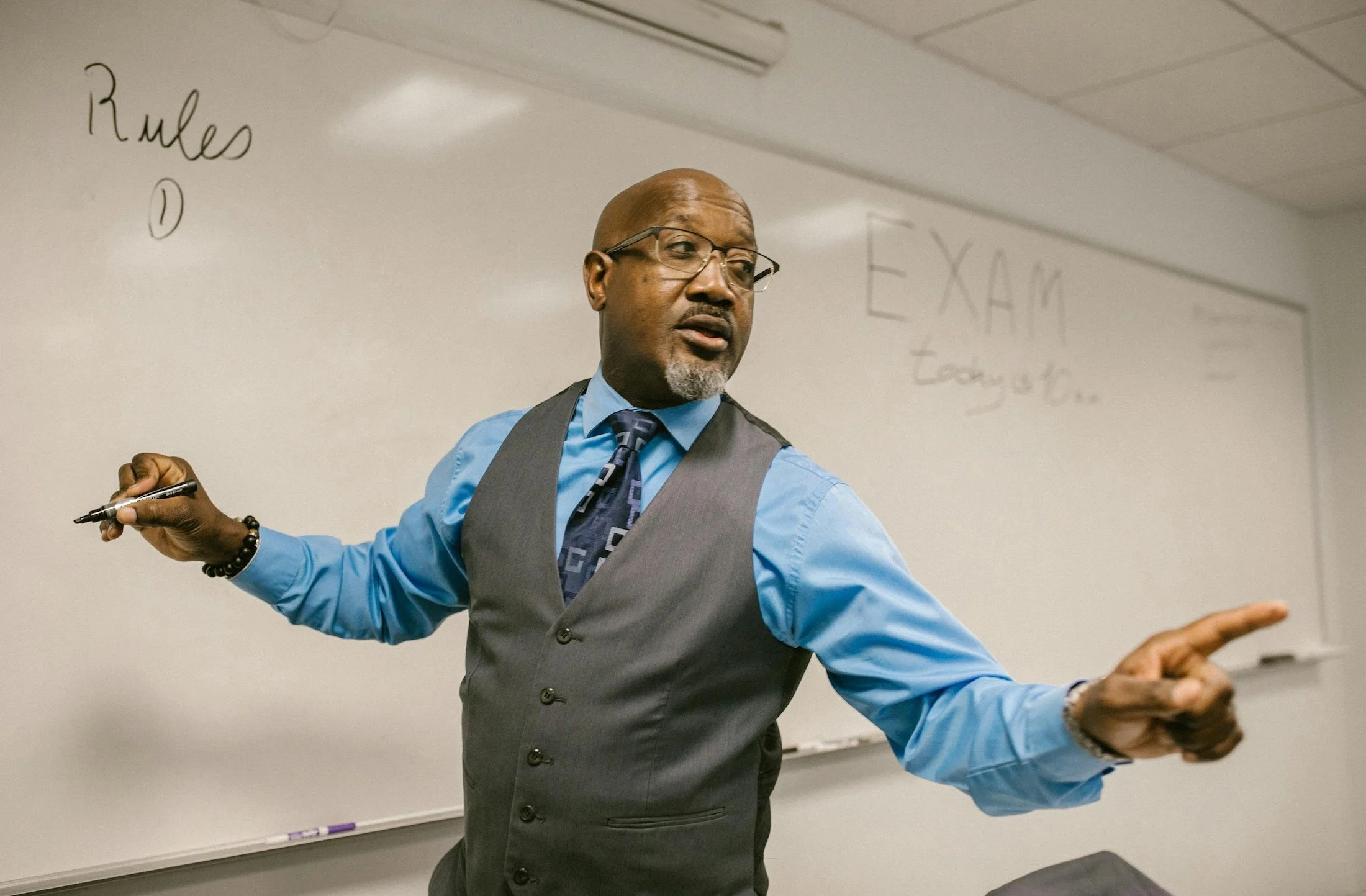
Broadcast journalism education has long been defined by two questions: What do we teach? and How do we teach For many years, the easier question to answer was the first one. Broadcast news—and I’ll focus my thoughts primarily on television here—was a closed system. There were a finite number of skills to be learned that earned entry into the system. To be a TV journalist, one had to learn the basic who, what, why, when, where, and how of journalism, learn the technology of film (and later, video), and learn the rhythm of the daily newscast cycle. This skill set was a reasonably small target to find and hit. And it had its roots in teaching history that went way back. The 5 W’s of journalism can be traced back to the ancient Greeks, who worked to classify the search for knowledge through inquiry.
What TV News Can Learn from “Lost”
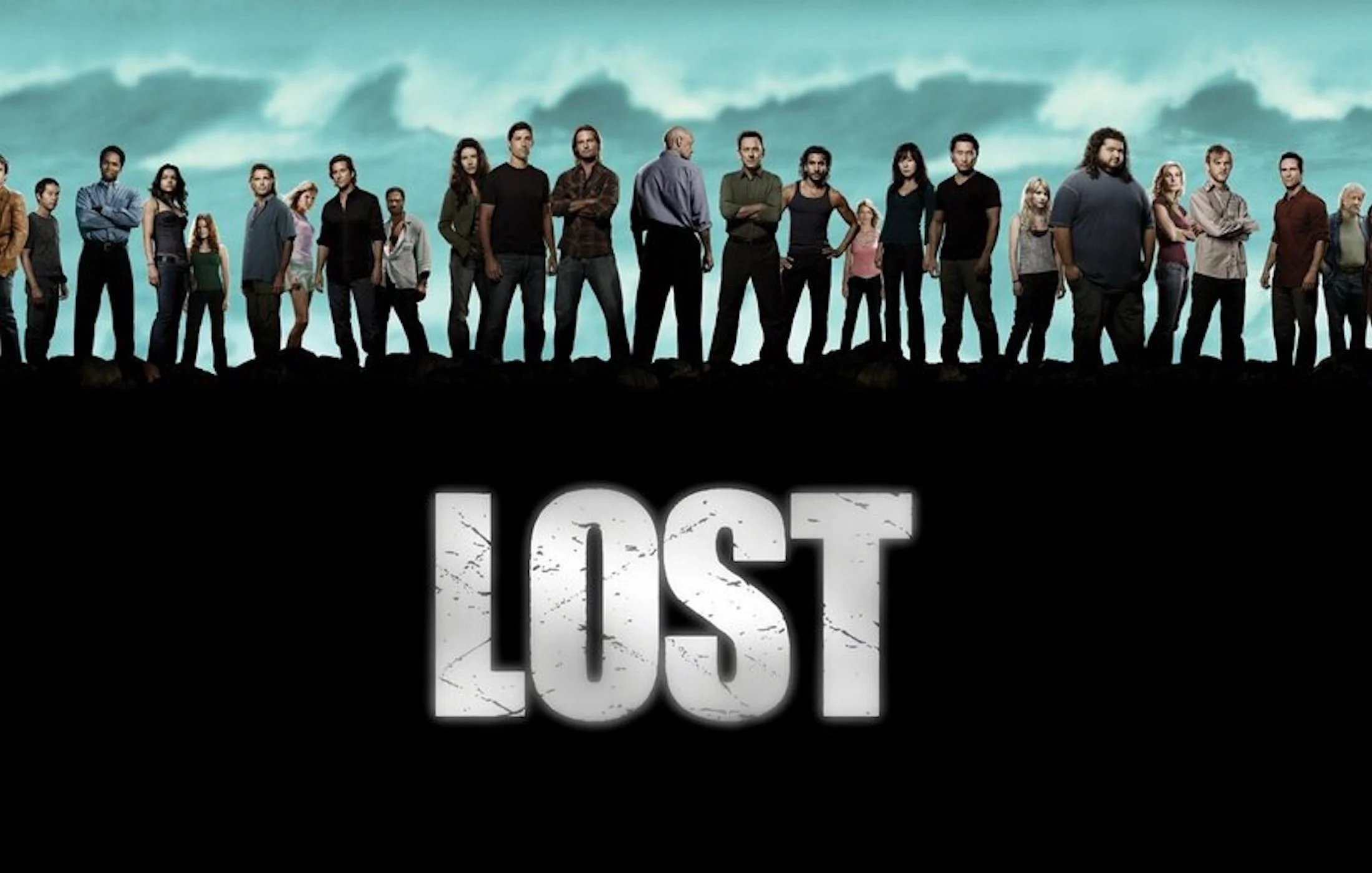
Don’t fear TV news professionals, this will not be a long rant about the last episode of Lost, what the numbers “4 8 15 15 23 42” meant, or whether Ben Linus is really an on-the-beach news director (though he does seem to have the right personality for it). But in the wake of the series finale, I did want to muse a bit over television success and what we can all learn from J.J. Abrams and his cohorts about how to make our medium shine. As you probably can tell from that opening paragraph, I’ve been a fan of Lost for its entire six-year run. Sure, it’s stumbled from time to time. But in the end, its 120 episodes continued to engage us week after week, bringing us back for fear we’d miss something unforgettable. I don’t know about you, but I want my newscasts to do the same for my viewers.
You’re Cooler Than You Think
Over the last year of these chairman’s blogs, you’ve probably become used to my rambling style of writing. So it will come as no surprise to you as I begin my last blog as chairman, coming to you from the floor of the RTDNA convention in Las Vegas, that I begin at my daughter’s middle school back in 2001. Her assignment back then was to come to class to talk about what her parents do for a living. This wasn’t one of those “have your father/mother come to class and make a talk” days. For this, the kids had to do research and present it themselves. Talking with her for the assignment, I was feeling pretty confident that no classmate would be able to top her tales of my journalism adventure in what had to be the best job of any parent in the group. I would soon find out to the contrary…
When is a Census Taker like a News Director?
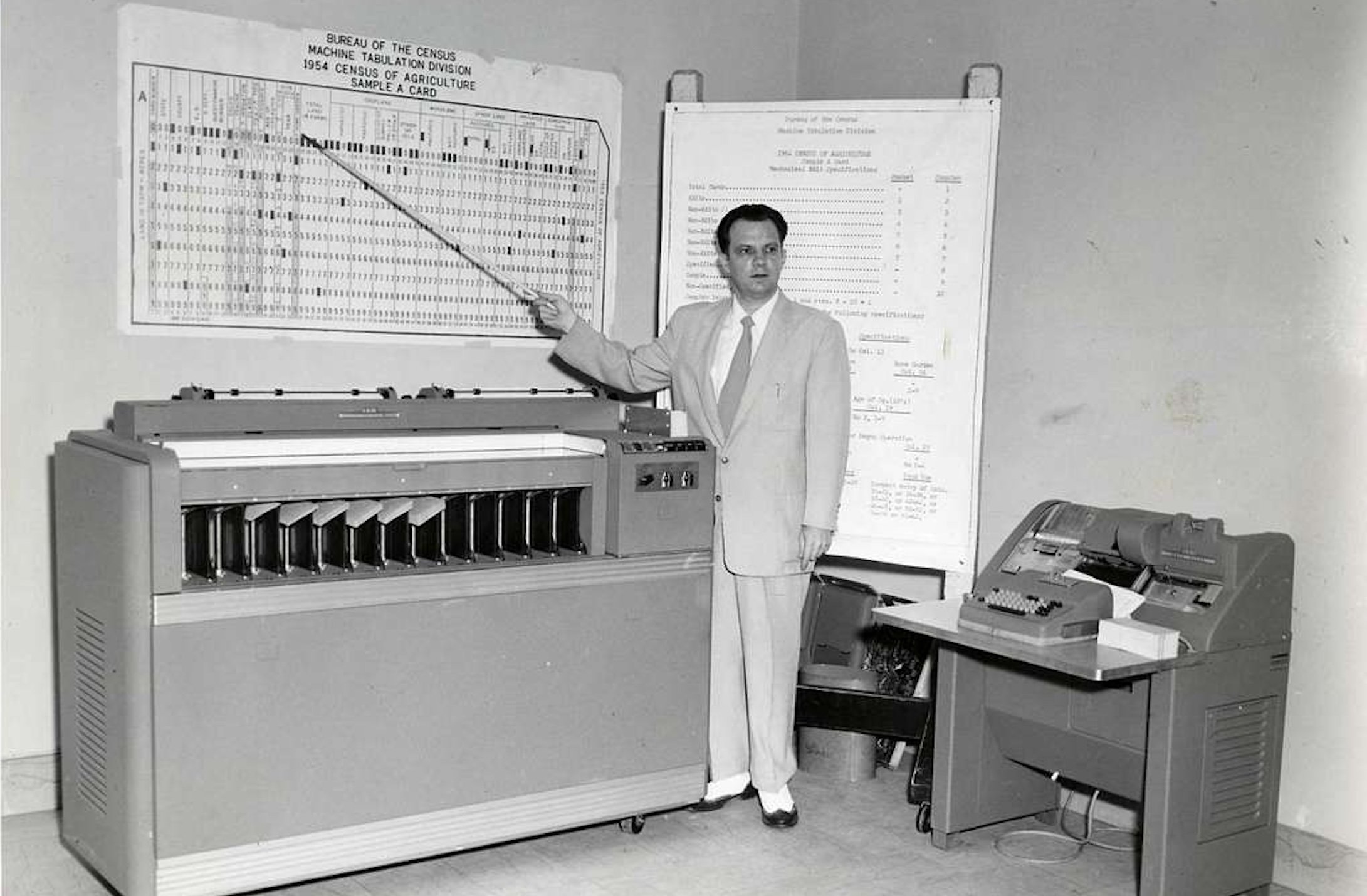
If you’re a baby boomer like myself, I bet you’ve already sent in your census form. I got mine about two weeks ago. I threw it on the kitchen table when I came in after a long day in the newsroom, saying I’d deal with it the next day. And I did. The next morning (it was a Saturday), I opened the envelope, found the basic short form, and filled it out on the spot. Within two minutes of opening the envelope, I had completed the form and was sticking it back in the return envelope. By later that afternoon, I had already dropped it in a mailbox…

Tiers for Fears
I’ve spent the past few days helping judge the annual Investigative Reporters and Editors awards here in Columbia. The awards honor the best in investigative reporting for print, web, broadcast and more. To get this job done, a team of five of us from all media have been slugging through the entries to pick the winner. The other broadcaster on the team is one of the all-time great TV investigative reporters—Lea Thompson. Over her years at WRC-TV in Washington, NBC News, and Dateline NBC, she has done more investigations that have affected your life than you probably know. From asbestos-filled hair dryers to dangerous DPT shots, she’s looked out for all of us with her reporting time and time again…
Something New Under the Sun in the Media Blame Game
By now I’ve gotten pretty used to the “blame the media” game from the politicians. It started years ago when one of them found himself in a hotspot. He’d point to the media and say how they were on a witch hunt to get him. The ploy worked well enough with sympathetic audience members that it stuck. It eventually worked its way up to the very top, reaching the vice presidency and then the presidency. Many used this approach, but let’s start with Spiro Agnew (just because he’s a figure not enough young people know about. Oddly, his remarks sound almost flattering compared to today’s attacks. He once called members of the media part of a “tiny and closed fraternity of privileged men, elected by no one.”

The View from the Dais
I’ll close out the coverage of last week’s First Amendment Awards dinner with a few thoughts I collected from my vantage point looking out over the event. I was on the rear left of the platform party, as viewed from the audience. Check out the videos from the event and you’ll see me there behind Leon Harris in the front row. My role on the dais was, as I joked to Bill Roswell, just to be a pretty face. The RTDNA chairman has no official role at the First Amendment dinner. For me, that will come next year when I take over the position of RTDNF chairman. I was the only one on the platform without a speaking role, which left me free to look and listen all night…

They Want What You Have
My town had its big annual documentary shindig this past weekend, the True/False Film Fest. In its seventh year, the four-day event draws somewhere around 10,000 people to fill the seats of eight quirky film venues in this town of 100,000. Organizers roll about 35 different films through the weekend, with subject matter ranging from the war in Iraq to Joan Rivers. Crowds line up in the Missouri February chill to pack in to get the last few seats for showings that run into the wee hours of the morning. My wife and I were among them, sliding into squeaky theater seats for about a dozen films—including a marathon six in a row on Saturday…

Bad Eldrick, Bad
Henceforth I will always refer to the golfer most of you know as “Tiger” as Eldrick. Why? Well, after the so-called “news conference” Eldrick held last week, it’s time something be called by its proper name. So forget “Tiger” Woods. I’m going to use Eldrick Woods from here on out. You see, a news conference denotes a sharing of information, a give and take, a two-way street. While I’m not debating the newsworthiness of Eldrick’s reading of a prepared statement, it was not a news conference. For that we’d need questions from reporters and answers from Eldrick. We got neither. Eldrick gave a 14-minute speech that was carried around the globe on the air and online. The speech, written in advance and rehearsed in both its performance and its reception by the loved ones staged in the room, was not what journalists wanted.

The Discomfort of Change
My station changed its weather web page last week. We had, up until then, a weather page that was terrific…in 2005. We made some changes over the years, but it just had not kept up with the needs people had for weather sites online. I even found myself, while managing our site on a daily basis, needing to look at Accuweather.com for my online weather info. We knew we needed a change, so station managers went out to look for a software solution that would allow us plenty of customization, but would still give users the chance to find fresh data all the time…

Things You’re Saying Wrong and Don’t Even Know It
Back when I started working at KOMU in 1986, then news director John Quarderer used to share his journalistic wisdom with me day in and day out. Many of the things he said have stuck with me for nearly a quarter of a century, but perhaps none more so than a discussion we had once about words and writing. “People don’t read as much as they used to,” said John, “so we’re the defenders of the language now. TV news has to be sure to protect English and keep it safe.” I’ve always kept that lofty charge in mind as I’ve edited countless reporter and producer scripts over all these years. I’ve done my best every time to protect the language and keep it from deteriorating on my watch—at least in my little corner of television. But it seems to be a losing battle at times. And I’m calling on all of you to help.

Meeting in the Middle
I was lucky enough to take part in RTDNF’s News and Terrorism workshop in my hometown of St. Louis last week. The event was the 18th in a series of gatherings that bring together journalists, emergency personnel, and policy makers to discuss how to react in the event of a terrorist attack in a U. S. city. This is the second of the workshops I’ve been able to attend. The first was on the other side of my state about six years ago in Kansas City. Both times I was struck with the workshops’ ability to bring people together who are essential to public safety—but who seldom talk unless an emergency is already taking place. The RTDNF events have been crucial to getting those who respond to emergencies—either to cover them or to respond to them—to talk about what they could do better for their common customer, the public…

I Blame Smuckers: A Cautionary Tale
My blood ran cold while traveling a few weeks back as I sat in my hotel room and checked in on the station web site to see how things were looking. As our rotator ran through our top stories, the worst four words a news director can ever see on his site popped into view. “Woman Celebrates 100th Birthday” There it was. There was no denying it. The station—in the absence of my wisdom and guidance—had covered a 100-year-old’s birthday party. Did they know the havoc they had called forth with this story? Could they even begin to understand the unspeakable horrors that would come from this one, senseless act? Veteran news directors, read no further. Unless you’re one of the lucky ones, you’ve already lived through this horror. There’s no reason for you to relive it again in what I write below. Save yourself and click away now.

Cameras Roll as a News Director Stands Tall
We news directors do most of our work in anonymity. Our viewers think the anchors run our shops. Most callers with complaints can’t decide if we’re important or not when they’re yelling at us. And while the editor of the local paper is usually a town celebrity, no one can tell you the name of the much more powerful men and women who run the local television newsrooms. I, for one, like my anonymity around town. I can go to the store, the movies, wherever, and not get bugged about the news like my anchors do. I have even heard the occasional conversation about my station’s newscast coming from my supermarket neighbors.

Hard Weather, Soft People
I’ll say right up front that this blog will only tangentially be about journalism, news, television, or any of the other things I usually write about. Think of it as more of an observation that my vantage point as a local television news director allows me, and as a warning about what we’re doing to current generations and the generations to come. We’re all part of an unintentional conspiracy to rob ourselves and rob our youth of their backbones. As I’ve said before, I’m a self-appointed expert on the Millennial generation, and this is yet another cautionary tale about the crappy way we elders are handling its upbringing.

A Perfect Example of the Need for a Federal Shield Law
If you follow RTDNA or read this web site on a regular basis, then you’re probably familiar with this organization’s years-long push to pass a federal shield law to protect journalists working with confidential sources on important stories. A law that nearly every state has in place, the measure would provide safeguards that would prevent federal officials from coming after reporters and their managers to get the identities of confidential sources. The classic use of the confidential source speaks for itself. I can truly trace my first interest in a career in journalism to reading the exploits of Woodward and Bernstein as they broke perhaps the biggest story ever with the help of “Deep Throat.”

Who Can Afford Checkbook Journalism?
As you climbed out from under your piles of wrapping paper (or Midwestern snow—whichever was deeper) this Christmas weekend, you may have had time to follow the exploits of one Jasper Schuringa. Mr. Schuringa was, of course, one of the passengers on Northwest Airlines Flight 253 who helped subdue the man who tried to detonate an explosive on the plane on Christmas Day. The Dutchman was quick to contact the media with his “hero” status, willing to tell his story in exchange for what now appears to be certain “considerations.”