I’ve always liked to write about journalism—the good and the bad. Consider this an ongoing place for me to vent about our craft.
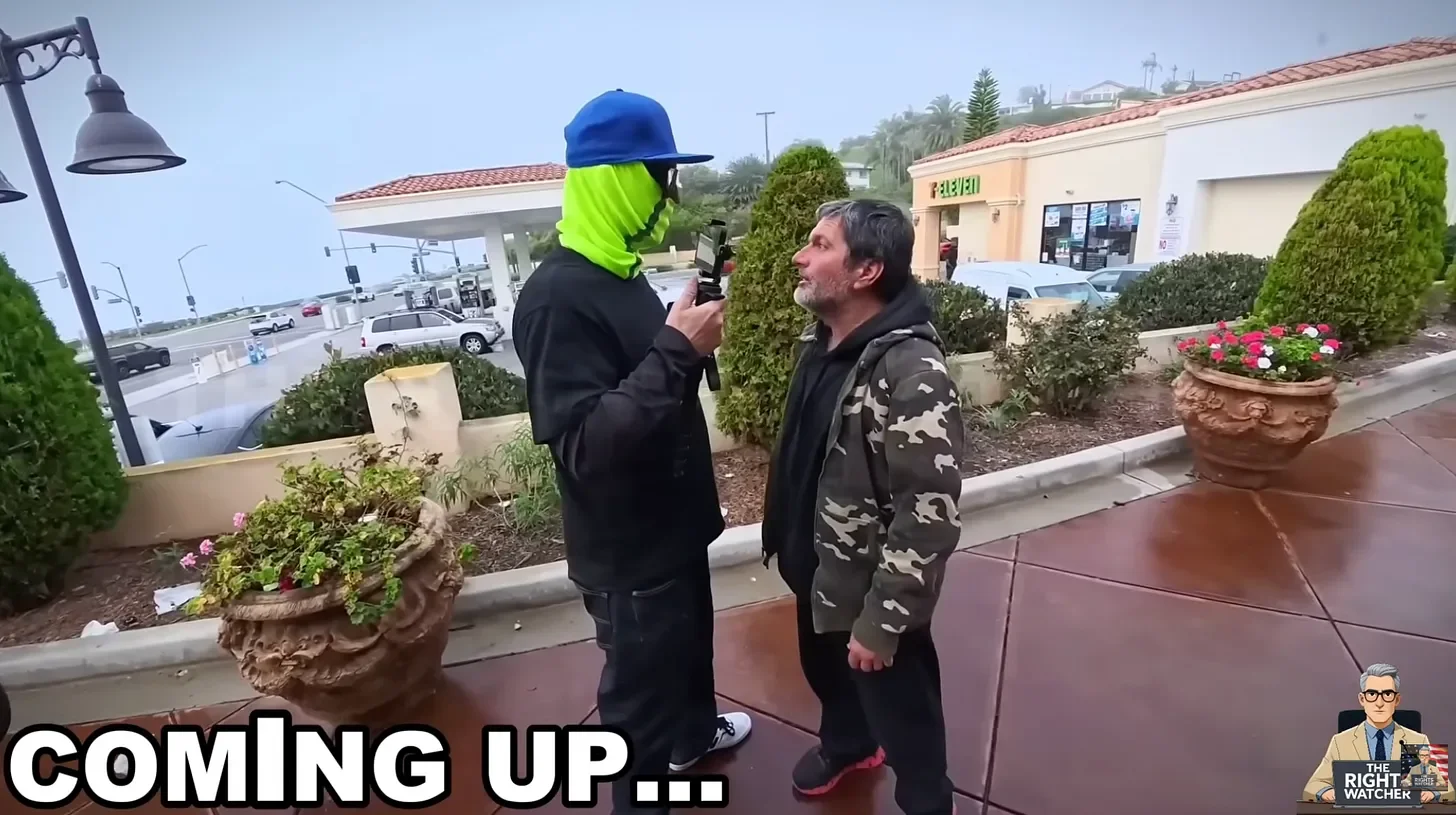
When It Comes to the First Amendment, Should We Take All the Allies We Can Get?
I like to think of myself as a defender of the First Amendment—both in thought and in deed. I recall first learning about it in elementary school and thinking that, of course we should all have the right to say what we want to say without the government interfering. In journalism school, I learned the specifics of how the First Amendment protects our right to print and broadcast, as well as the collection of court cases over the years that has defined and generally strengthened its protections.

Tomorrow is Local News Day
In the list of days you celebrate each year, Local News Day is probably not a high priority. In fact, you’ve probably never heard of it. I hadn’t until yesterday, when it popped up on something I was reading. More about the day and the good that can come from it in a moment, but first, let’s talk about local news.
When is Going Live Going to Work for the Viewers Again?
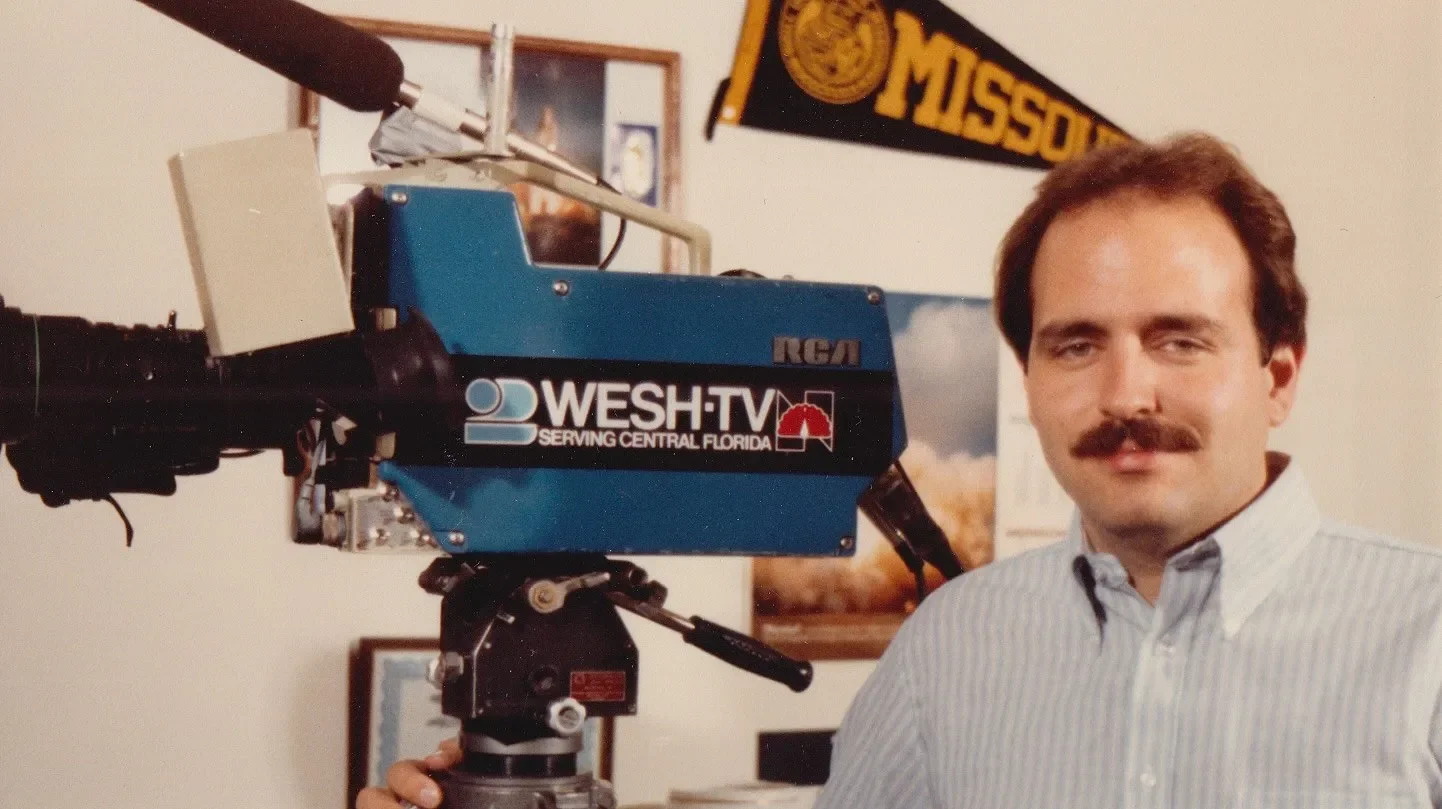
Fifty years ago, the television news profession was revolutionized by two pieces of groundbreaking technology—the RCA TK-76 “minicam” and the dedicated ENG live truck. The TK-76 and its trademark blue body was the first lightweight (sort of—it weighed about 30 pounds), practical electronic newsgathering (ENG) camera that could go into the field and bring back footage on tape to be quickly turned around for air on the local news. Until its advent, journalists used film cameras that produced footage that needed to be processed before it could be aired, adding 90 minutes or more to the news turnaround. I was lucky enough to use a TK-760 (the electronic field production version of the TK-76) in my first job at WESH-TV in Orlando (that’s me with it in the cover picture this week). Mine was quite a historic piece of gear, bearing serial number 000001.
The Media Are Lying to You
When I was running the KOMU-TV newsroom, one of my goals was to be sure the experience students had was as close as possible to what they would get in their first full-time jobs. We aired newscasts 365 days a year, using all the tools found in bigger markets to give students the same experiences they would have working in their future jobs. Our six newscasts a day had gorgeous graphics, sophisticated software and lots of live shots. The one thing we didn’t have in our newscasts—so-called “look lives.”
Are Local TV Stations Broadcasting in the Public Interest?
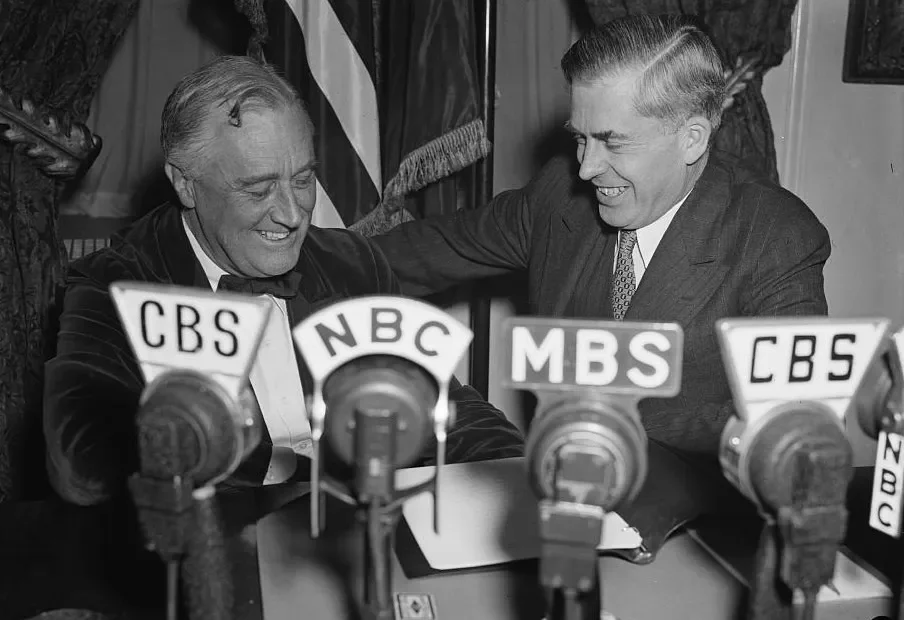
You probably saw over the weekend that Federal Communications Commission chair Brendan Carr threatened stations with the loss of their broadcast licenses for running “fake news.” He posted the following, in part, on Twitter/X: “Broadcasters that are running hoaxes and news distortions - also known as the fake news - have a chance now to correct course before their license renewals come up. The law is clear. Broadcasters must operate in the public interest, and they will lose their licenses if they do not.” This post seems to have been prompted by an earlier Donald Trump post complaining about coverage (hilariously, about newspaper reporting) of the war he started with Iran. While Trump probably has no idea how the FCC licensing process works—he thinks the networks are somehow licensed by the FCC—Carr knows. He’s paying lip service to his boss with a threat that has no teeth. But that’s not what I’m writing about today.
In Praise of the Downtown News Edifice
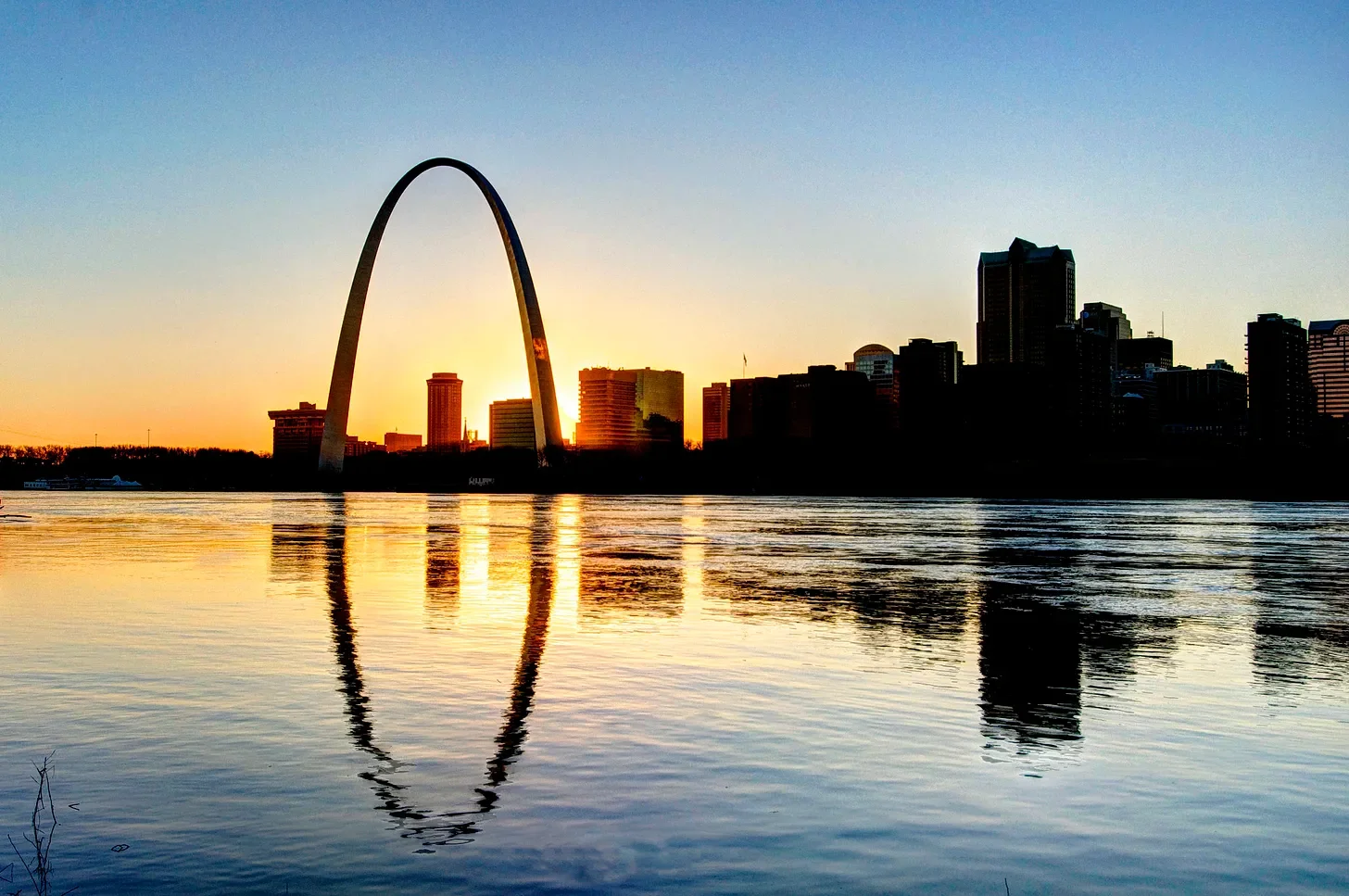
I wrapped up my nearly three-week trip to Missouri with a visit to the building now housing KMOV-TV, the CBS affiliate in St. Louis. News Director Chris Nagus—a favorite former student of mine—invited me to stop by on my way to the airport. The station moved to the St. Louis suburb of Maryland Heights at the end of 2023, ending decades of broadcasting from a landmark building near the Gateway Arch in downtown. The new home of the station, a former biomedical company building, lies in an office park near a major interstate on the city’s west side. Nagus showed me around the facility and I was impressed. The new location is a palace. Its three stories of state-of-the-art facilities are beautiful to behold and seem comfortable to inhabit. The station has really refitted this old biomedical company building well, adapting it from its old use to efficiently and beautifully serve as a television station.
A Few Things TV News Could Learn from Documentaries
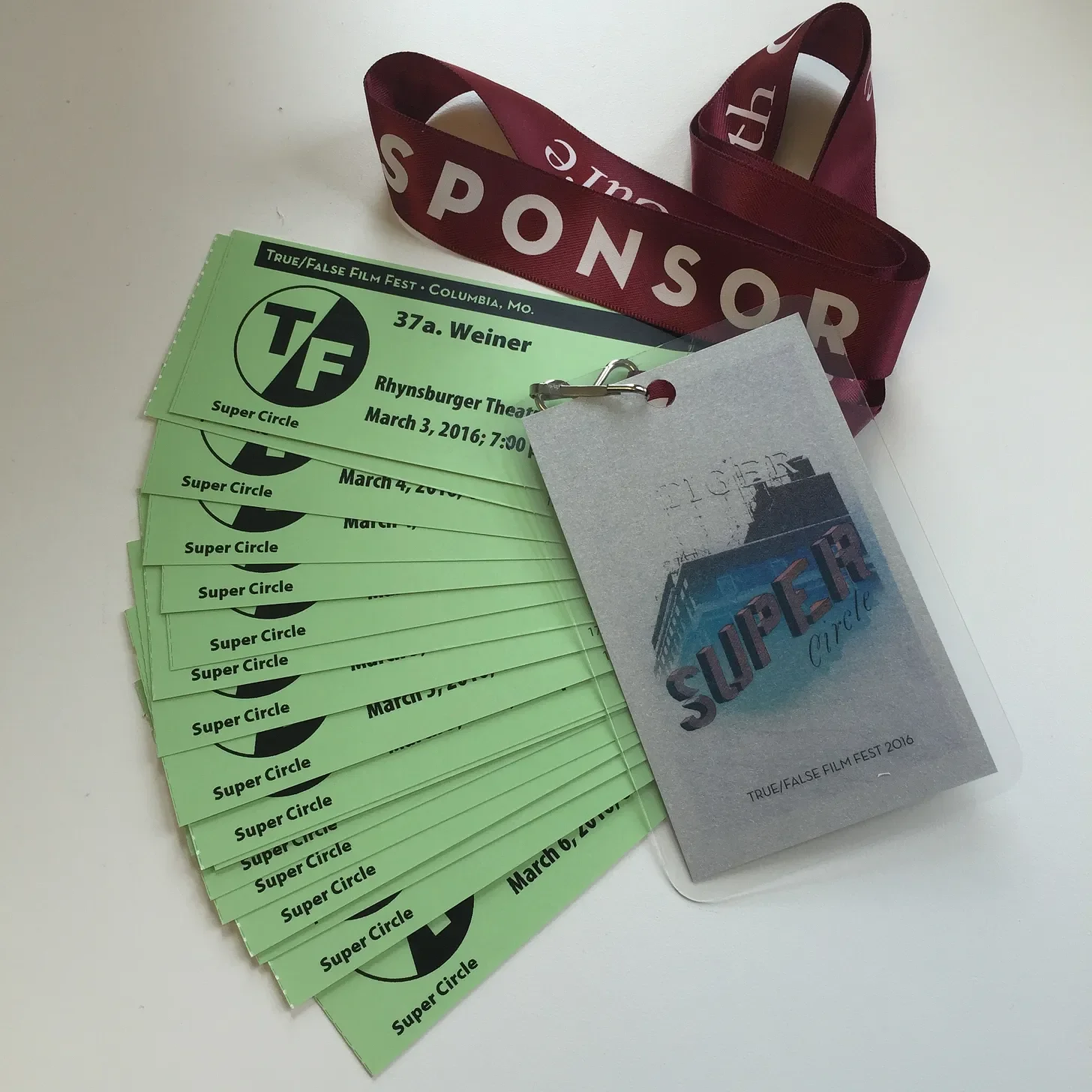
The True/False Film Fest happens this week in Columbia. If you’ve never heard of it, that’s no surprise. It doesn’t draw the celebrities that Sundance does, nor the European glamour of Cannes. But quietly, for the past two decades, it’s grown to be one of the top five documentary film festivals in the entire world. Late each winter, the planet’s best documentary filmmakers descend on this Missouri college town to share their own films, watch each other’s films and advance the documentary discipline.
A Twist of the Wrist is the Gist of How We’ll Exist
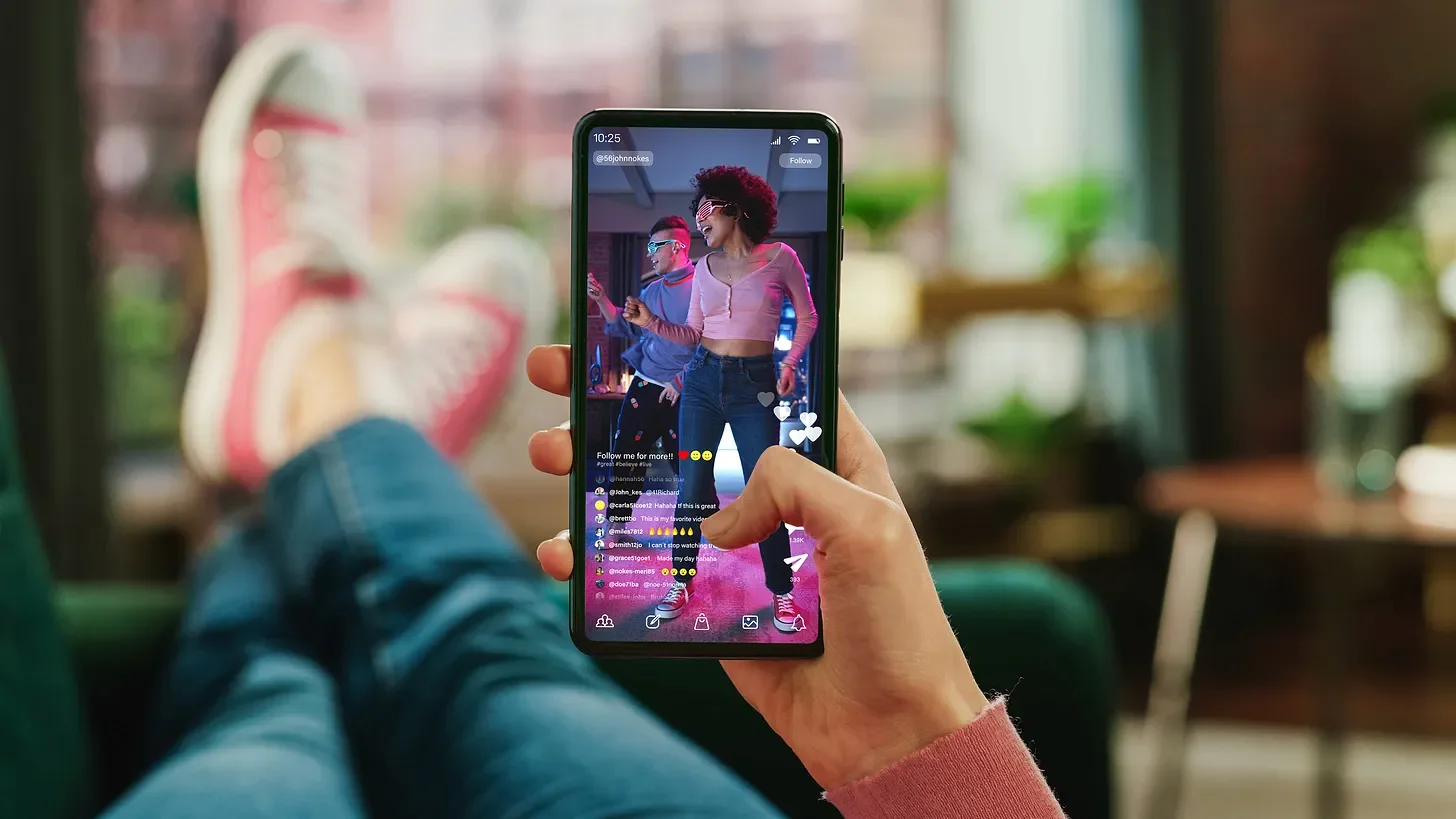
I’m back in Columbia for a few weeks, playing host to recruiters from many local TV ownership groups in town to meet with and interview Mizzou journalism students for jobs at their companies. I enjoy these visits immensely, both as a chance to meet students and give them advice for their jobs hunts, but also as a time to talk with colleagues still working in the industry and stay up to date on the latest trends. I’ve had three companies in so far this semester and the two-word phrase I keep hearing over and over again is…”vertical video.”

AI is Definitely Coming to a Newsroom Near You—But in What Form?
My semi-retirement duties as a professor emeritus at the Missouri School of Journalism include flying from my California home once or twice a semester back to Columbia to play host to recruiters from the big local television station ownership groups as they come to campus to interview our students. That means I must coordinate appointments for fifty or more students, plotting their multiple available times with the two or three recruiters’ openings for interviews. I generate some spreadsheets to give me all the options and then I must painstakingly try to match everyone so that all the students get a chance to interview and all the recruiters get to see everyone they want to see. I have a system I have honed to perfection over the past few years, but it still takes many hours to set up each visit.
Guthrie Case Has Everything TV News Wants—And Nothing It Needs
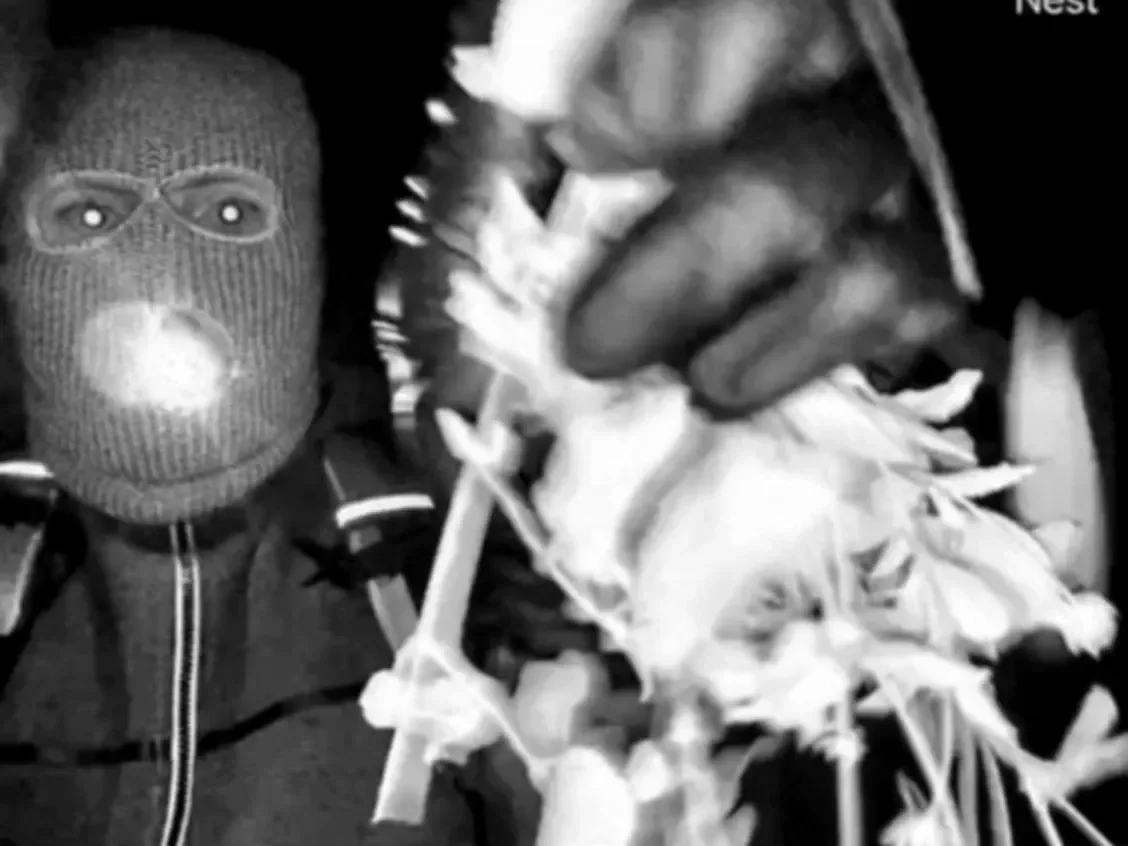
I just happened to be in Arizona visiting my mother (she’s 95 and going strong!) when the Nancy Guthrie story broke. I was in Phoenix and saw the local stations jump into action, sending crews to Tucson and making Guthrie’s disappearance the lead story on every newscast. The networks soon followed and it was leading national news on a daily basis.
Arrest of Journalists Exposes an Even Bigger Issue for Us to Tackle
Authoritarians love to jail journalists, so the arrest of two reporters involved in covering a church protest in Minnesota is something we probably should have expected. Dictators will always want to criminalize reporting. It’s their dream to be able to put journalists behind bars to silence them. We’ve been in “soft launch” mode for this tactic for the last 45 years as Republican administrations have verbally demonized reporters and their reporting to turn the public against us. Now it seems we may be moving to full operational status. But here’s the thing—the changing face of journalism (and some bad decisions on the part of journalists) will make it easier for tyrants to justify putting us in jail.
When the Biggest Story of Your Career Happens Right in Front of Your Eyes
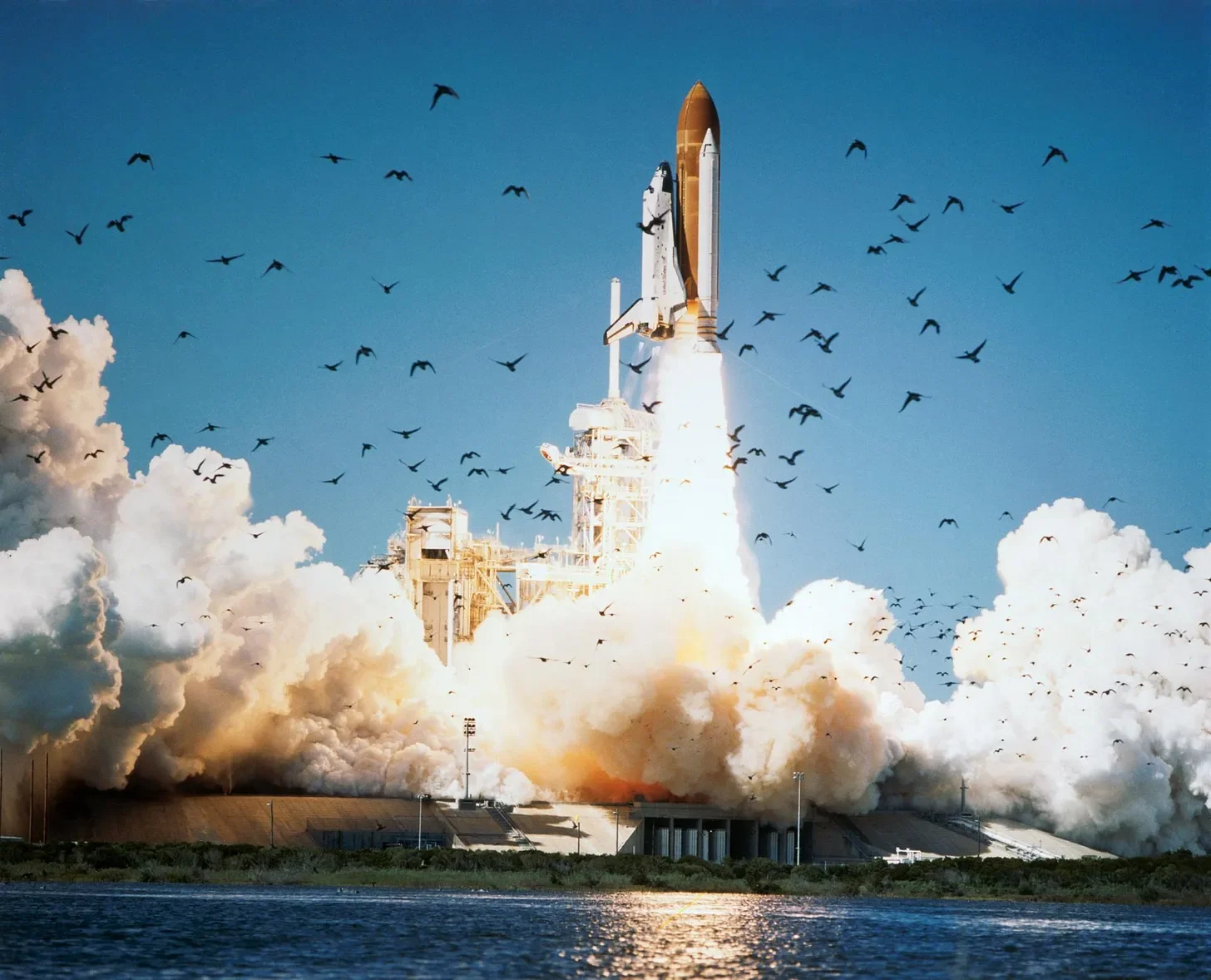
That headline above probably makes you think I’m going to write about some of the important and dramatic news events seemingly happening daily in the U.S. right now. But I’m actually going to go back to 40 years ago today—January 28, 1986—when I stood on the front lawn of my TV station in Orlando and watched the beginning of what would be the biggest story I ever personally covered.

We’re Covering Executions All Wrong
I’ve always wanted to witness an execution. That may be an odd statement—particularly if you know I am a death penalty opponent. I believe no person ever born has the right to take the life of any other person ever born. Period. Still, I’ve always wanted to go see an execution carried out. Perhaps it’s because of my opposition that I wanted to be a witness, to see what the state is doing on my behalf, even if it is against my wishes. Or maybe it’s just my journalistic curiosity.

Why Is It so Hard for Journalists to Use the Word “Lie?”
I was recently reminded of an editorial decision I made some 20 years ago when I was the news director at KOMU-TV in Columbia, Missouri. Most people reading this know the station is a commercial, NBC affiliate, but also the teaching lab for the Missouri School of Journalism. I had two jobs, really—news director running the newsroom like every other person with the same title does, and college professor teaching journalism classes that had newsrooms shifts as their labs.
In Praise of Academics and Advocates
I have vivid memories from when I was 10 or 11 years old of my father packing my brother and me into the car and making the drive to the Space Age structure that is the James S. McDonnell Planetarium in Forest Park near downtown St. Louis. Every Saturday each fall, we’d make that 35- or 40-minute drive to attend astronomy classes. I enjoyed every minute of finding out about the sun, planets and stars, illustrated by the massive star projector in the middle of the auditorium. A series of astronomers led those lessons, each an academic expert who knew the field inside and out. Am I a professional astronomer myself now? No. But those enriching mornings have forever changed my knowledge and appreciation of the cosmos.

Free, Take One! New Year’s Resolutions for Journalists
I’ve never been one to do New Year’s resolutions. Sure, I could always lose a few pounds or spend a little less time on my phone. I’m not sure why, but I have never joined in with the mass ritual of making plans for a new me in the new year. Still, I know this works for a lot of people, so why not throw out some suggestions for other people to try in 2026?
Internet 1, Bari Weiss 0
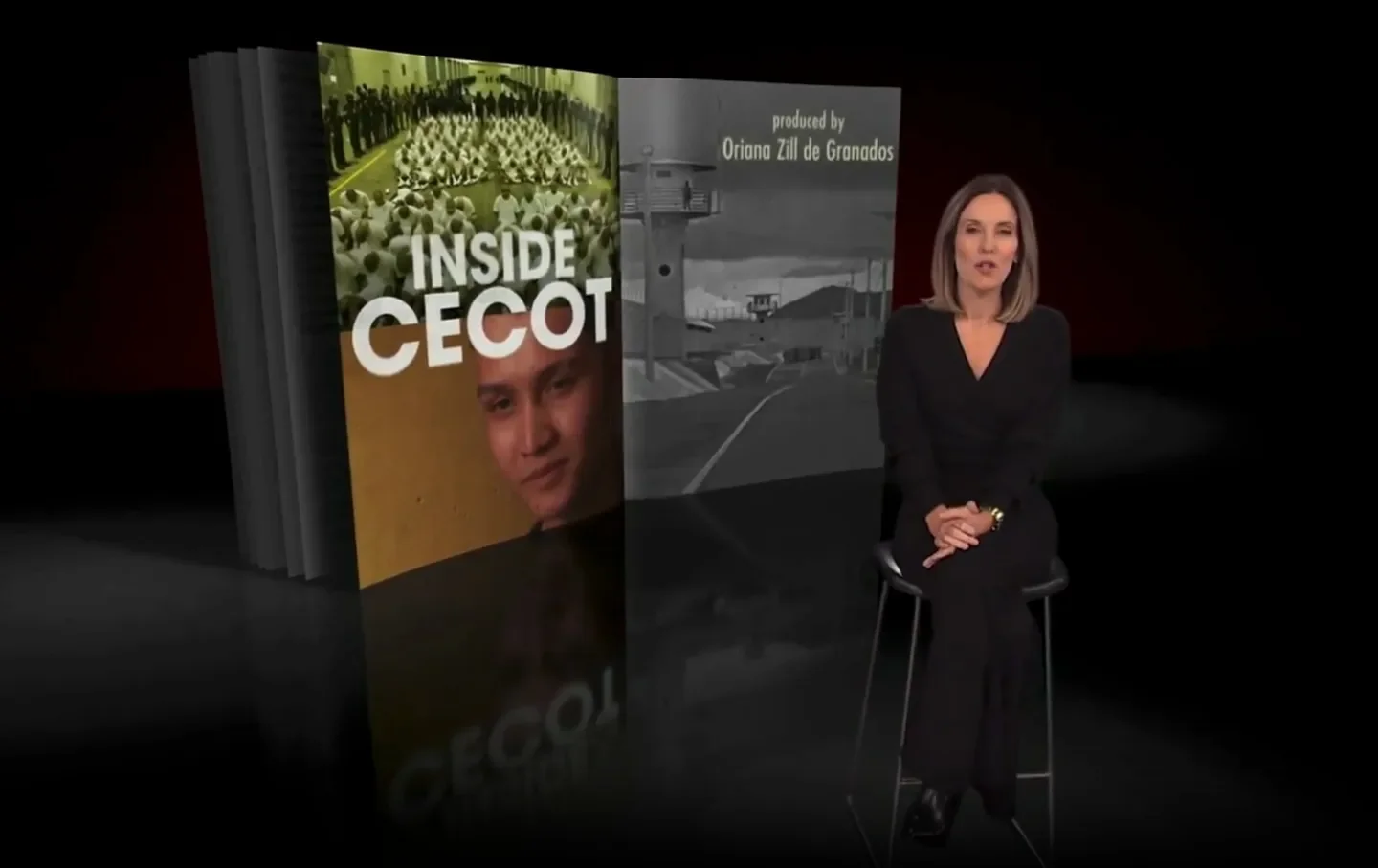
By now all of you reading this have seen plenty about the spiked CECOT story at 60 minutes this past Sunday, so I won’t go into all the details here. Suffice it to say that while I was a surprised at the boldness of the move, I wasn’t surprised at all that it happened. When billionaires spend as much as they did to buy a massive TV property just to curry favor with the Trump Administration, they aren’t going to pussyfoot around using that property to their advantage.

The Customer/Audience is Always Right? Wrong!
I miss taking viewer complaints. As a local TV news director for more than 24 years, taking angry calls, letters and emails from viewers was part of the job. I prided myself on personally responding to everyone who reached out—the luxury of being in a small market—even when the volume got to be a lot to handle (I’ll write about my post-9/11 issues at some point).

Yes, Gen X Really IS the Greatest Journalism Generation
Scrolling through social media, it’s clear the algorithm knows I enjoy a good dashcam crash video, discussions of movies and, of course, snippets of the best journalism. As I was killing time on Instagram the other day, a post from T, The New York Times Style Magazine caught my eye. The headline asked “Is Gen X Actually the Greatest Generation?” The piece—which I highly recommend—details how members of Gen X (born between 1965 and 1980) have affected our culture in countless positive ways. Focused mainly on the arts, the piece lays out a strong case to support its thesis. Once you’ve read it, it’s hard to deny that nearly the entire cultural landscape in which we now find ourselves was almost entirely shaped by the talents of Gen X. I’m here, not to support the Times piece, but to write my own supplement to it.

Journalists: Forget the Murrows and Never Mind the Emmys. You Want to Win a FauxMOW.
My office at Mizzou was filled with mementos of 35 years of teaching and 40-plus years in journalism. It was one of those places you enter that has every inch of wall space covered with a framed photo, plaque or banner. My younger daughter called it my “shrine to myself,” but I liked how it was a capsule of my life in journalism.